Peru
Talara, Peru
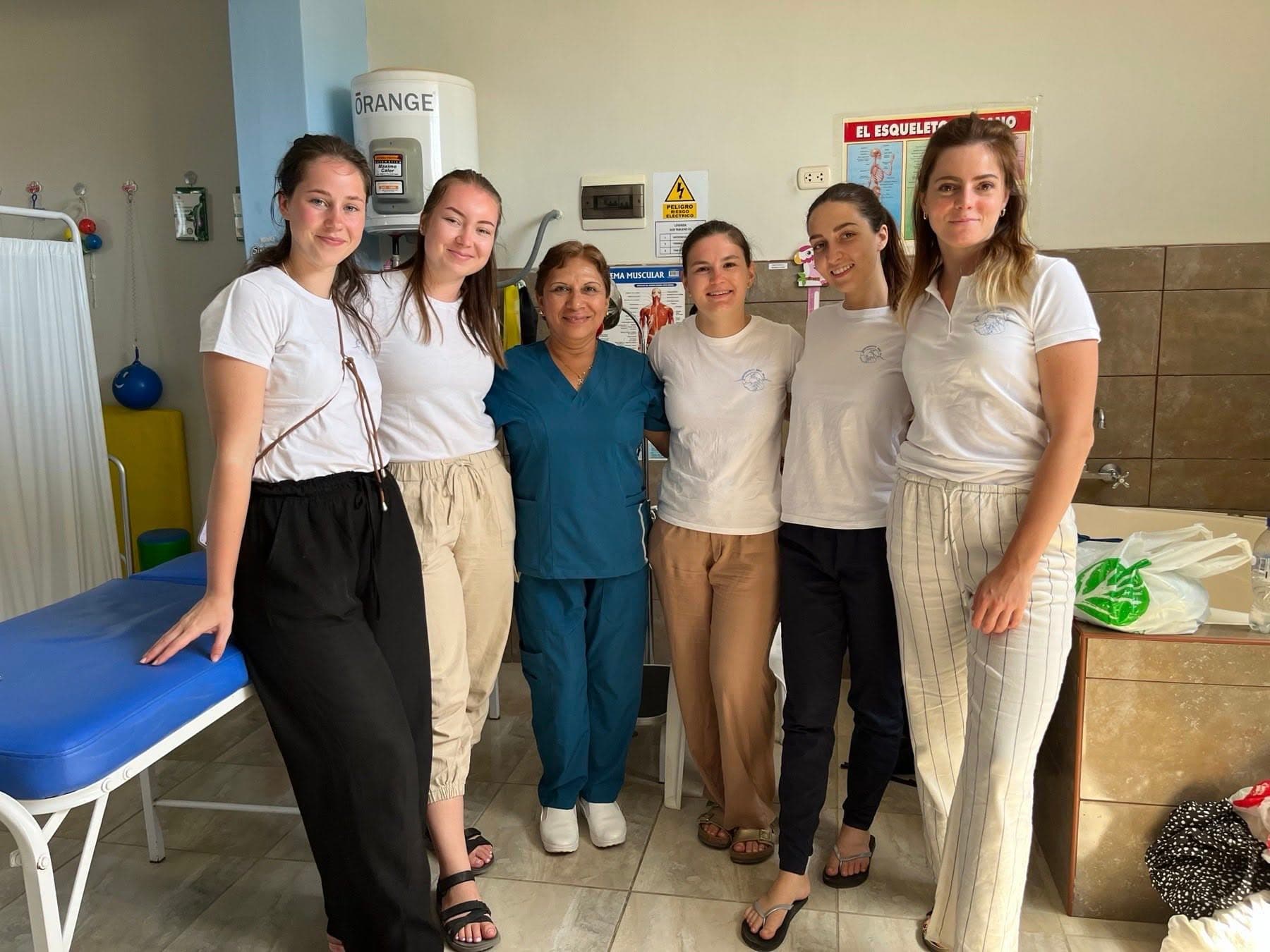
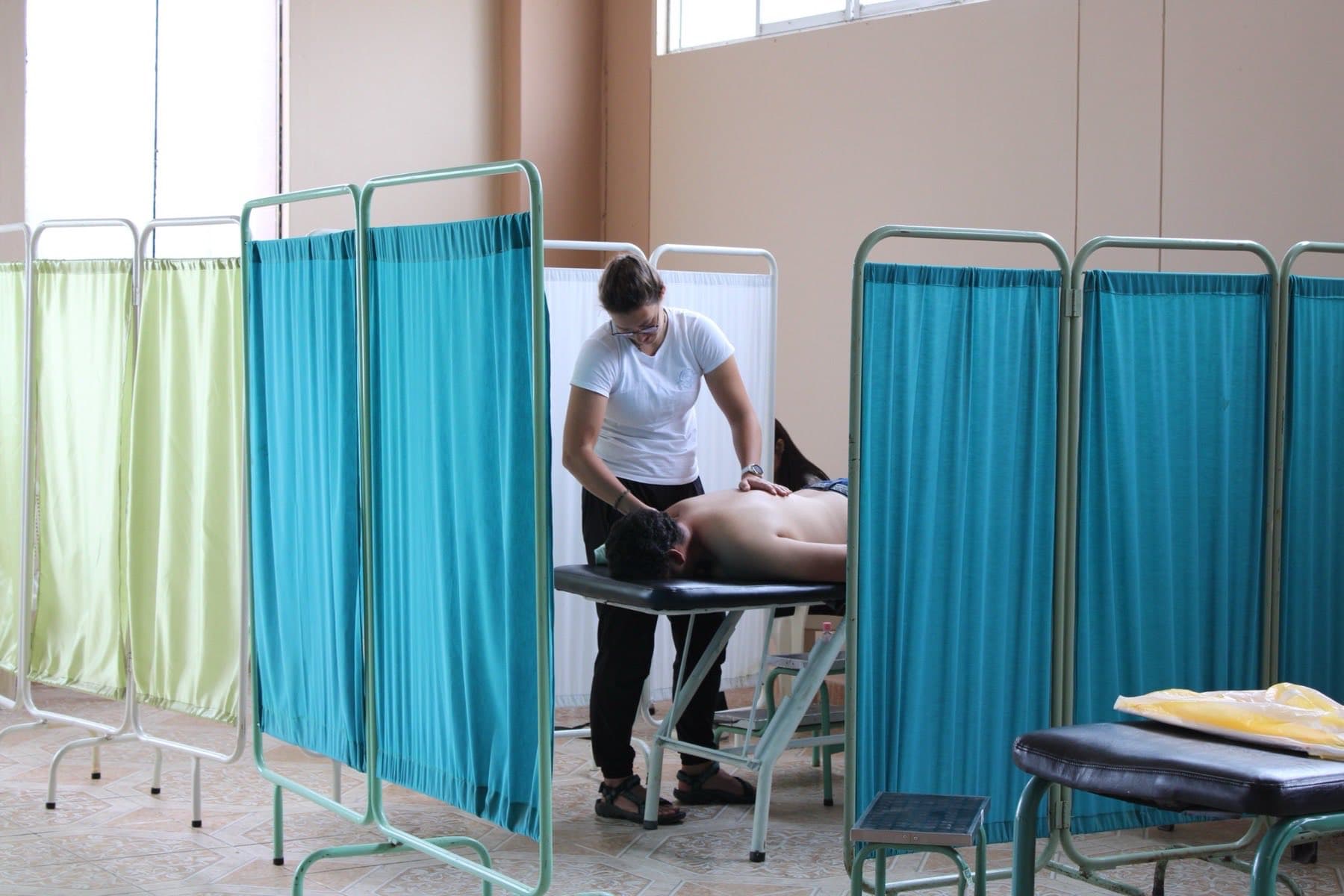
Peru is a country of contrasts. While tourists admire Machu Picchu and the Pacific coastline, just a few kilometers away people live in a reality where access to basic healthcare services, such as physiotherapy, is not guaranteed. This is where we worked as well, two teams of physiotherapy students and graduates from Slovenia who traveled to the north of the country, to the coastal town of Talara and to institutions for children with special needs.
Two missions
Each team worked in Peru for three weeks. The first mission took place in January 2025, and the second followed in May of the same year. It has already been confirmed that another team of students and alumni will return in 2027 to continue the work begun and to strengthen the long-term presence of Slovenian physiotherapists in the region.
Our task was clear yet demanding: to help where the healthcare system fails. Physiotherapy in Peru is not free and is financially or geographically out of reach for most people. Those who need it the most—people with chronic pain, overworked laborers, and children with special needs—are often left to live without professional care.
Who was on the teams
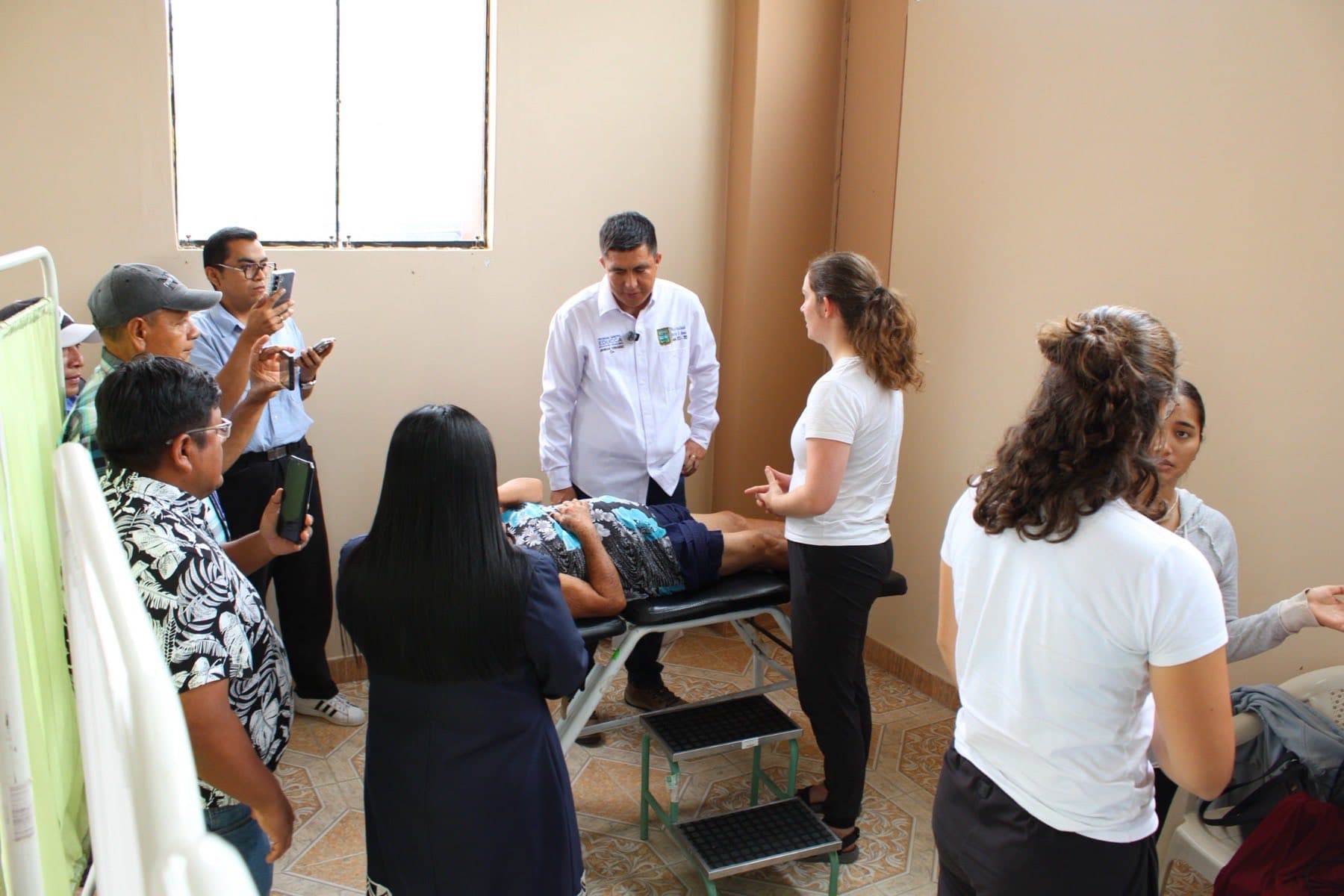
The first team, led by Lana Ritlop (AMEU alumna, specialized in neurological patients), together with Katja Bertoncelj (AMEU alumna, orthopedic physiotherapy), students Pia Katarina Kremžar and Timea Čerenak (AMEU), and Tara Zemljarič (Angela Boškin Faculty of Health Care), treated more than fifty patients with chronic musculoskeletal pain and worked with children with neurological disorders over the course of three weeks.
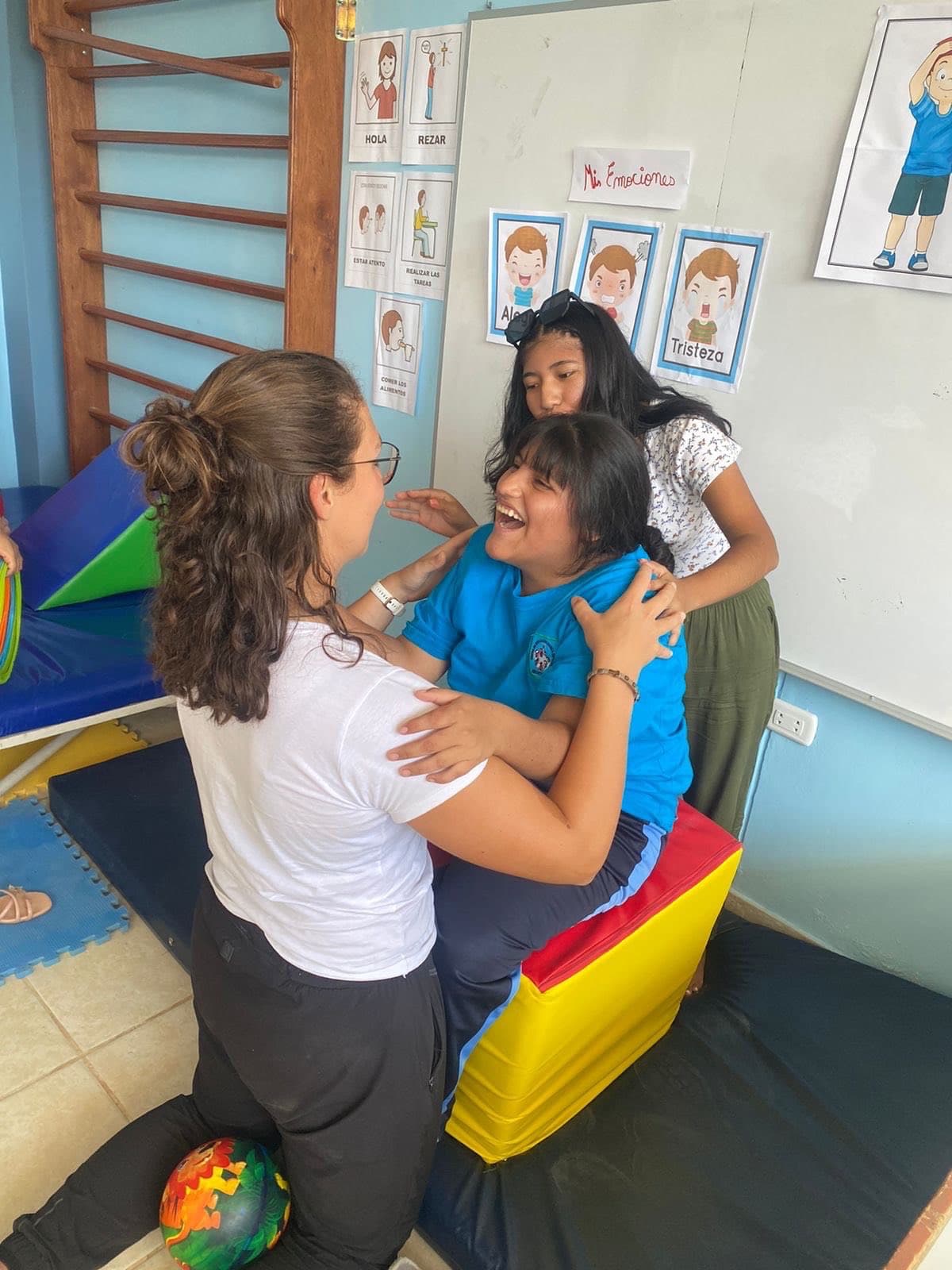
The second team—Tara Gantar and Manca Mohar (Faculty of Health Sciences Ljubljana) and Gregor Bukovec (Angela Boškin Faculty)—continued the work and delved even deeper into the challenges of working with children with special needs, where there is a shortage of trained professionals, equipment, and systemic support.
A contrast you cannot ignore
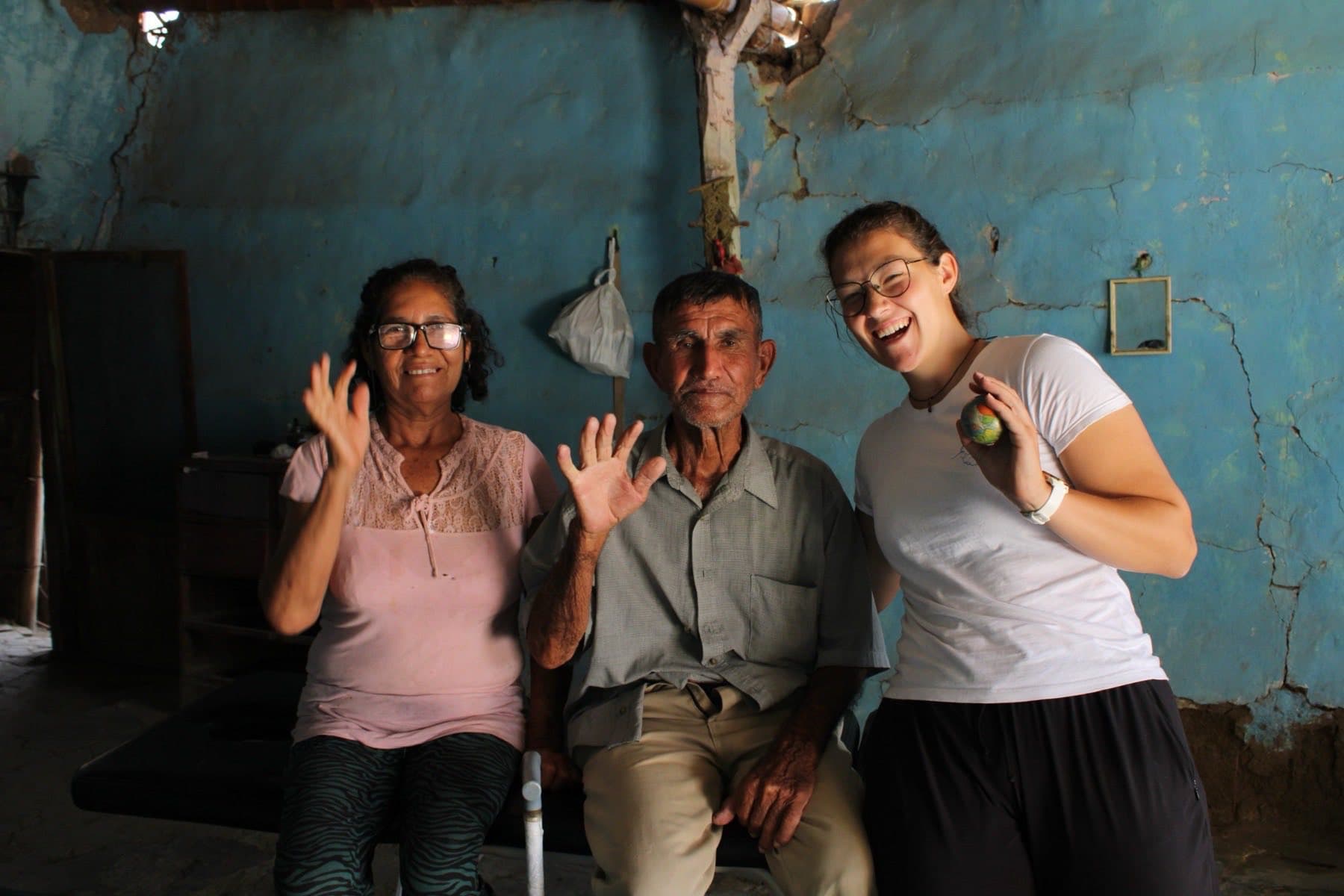
Although we lived in a beautiful environment, with views of the ocean and sunsets, we were confronted daily with an ethical contradiction: how is it possible that in a country attracting millions of tourists each year, so many people never receive even basic healthcare? This contrast is painfully clear and forces us to reflect on global (in)justice in healthcare.
What it taught us
The experience also taught us humility. We realized that people often need far less than we assume—perhaps only someone who listens, understands, touches, and shows them that they are not alone. Sometimes physiotherapy is not just movement of the body but a sincere connection between two human beings.
For us as future and established professionals, it was also a reminder that physiotherapy has a deeply ethical dimension. Mastering techniques and methods is not enough; it also requires awareness of who has access to these services and who remains overlooked.
Humanitarian work in Peru showed us that professional knowledge alone is not enough. Only when it is combined with compassion, openness, and critical reflection on social conditions can it become a true tool for change.
Support the next mission
Every contribution goes into equipment, transport and training for local therapists.
Donate now